Planning a tile project in Parsonsburg, MD? Proper tile installation helps prevent cracked grout, loose tiles, and moisture problems. Whether you’re updating a bathroom, kitchen backsplash, or flooring, knowing what goes into the process can help you avoid costly mistakes.
This guide covers how to choose the right tile, prepare the surface, waterproof wet areas, install tile properly, and avoid common problems. It also explains when a DIY project may work and when it’s better to hire a professional.

Why Proper Tile Installation Matters
Tile installation affects more than appearance. Proper installation protects your home from water damage, cracked grout, loose tiles, and uneven surfaces.
Benefits of professional tile installation include:
- Better waterproof protection
- Long-lasting durability
- Improved property value
- Easier maintenance
- Cleaner tile alignment
- Better moisture resistance
In Maryland homes, humidity and moisture exposure make proper tile installation especially important in bathrooms, kitchens, mudrooms, and laundry areas.
Guide to Tile Installation: Choosing the Right Tile Material
The first step in any successful tile project is selecting the correct material for the space.
Porcelain Tile
Porcelain remains one of the most popular tile options because it is durable and highly water-resistant.
Best for:
- Shower walls
- Bathroom floors
- Kitchen floors
- High-traffic areas
Advantages:
- Low maintenance
- Excellent moisture resistance
- Long lifespan
- Modern appearance
Ceramic Tile
Ceramic tile remains a budget-friendly option for many residential remodeling projects.
Best for:
- Bathroom walls
- Kitchen backsplashes
- Decorative accent walls
Advantages:
- Affordable
- Easy to clean
- Available in many colors and styles
Natural Stone Tile
Natural stone creates a luxury appearance but requires more maintenance.
Best for:
- Spa-inspired bathrooms
- Fireplace surrounds
- Luxury feature walls
Common stone options:
- Marble
- Travertine
- Slate
Natural stone requires sealing to protect against moisture and staining.
How to Prepare Surfaces Before Tile Installation
Surface preparation is one of the most important parts of tile installation.
Improper preparation often causes:
- Cracked grout
- Loose tiles
- Water leaks
- Uneven surfaces
Surface Preparation Checklist
Before tile installation:
- Remove debris and dust
- Ensure surfaces are level
- Repair cracks or damaged areas
- Install proper backer boards
- Apply waterproofing membranes
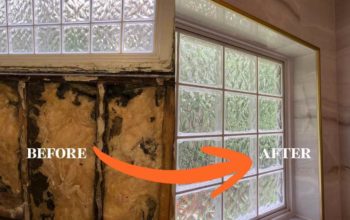
Bathrooms and showers require additional waterproofing protection to prevent hidden water damage behind walls and floors.
Tile Installation Tools Every Project Needs
Using the correct tools improves installation quality and accuracy.
Essential Tile Installation Tools
|
TOOL |
PURPOSE |
|
Tile Cutter |
Cuts ceramic and porcelain tiles |
|
Notched Trowel |
Spreads adhesive evenly |
|
Tile Spacers |
Maintains consistent grout lines |
|
Leveling System |
Prevents uneven tile edges |
| Rubber Float |
Applies grout properly |
Professional tile installers use specialized equipment to achieve cleaner finishes and better long-term durability.
Best Adhesives for Tile Installation
Choosing the correct adhesive depends on the tile type and installation area.
Common Tile Adhesive Types
|
ADHESIVE TYPE |
BEST FOR | WATER RESISTANCE |
|
Thinset Mortar |
Floors and showers |
Excellent |
|
Mastic Adhesive |
Drywall applications |
Moderate |
|
Epoxy Adhesive |
High-moisture areas |
Excellent |
| Premixed Adhesive | Small backsplash projects |
Good |
Showers and wet areas typically require waterproof thinset mortar systems for maximum durability.
How to Install Tile Correctly
Tile installation requires precision and planning.
Step-by-Step Tile Installation Process
Measure and Plan the Layout
Dry-fit tiles before installation to avoid awkward cuts and alignment problems.
Apply Adhesive Evenly
Use a notched trowel to spread adhesive consistently across the surface.
Install Tiles Carefully
Press tiles firmly while maintaining even spacing with tile spacers.
Check Tile Alignment
Use leveling systems to reduce lippage and uneven tile edges.
Allow Proper Drying Time
Avoid walking on freshly installed tile until the adhesive fully cures.
Apply Grout and Sealant
Proper grout application protects against moisture and improves appearance.
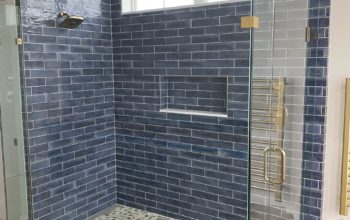
Guide to Tile Installation for Bathrooms and Showers
Bathrooms require additional waterproofing protection compared to dry areas.
Why Waterproofing Is Critical
Poor waterproofing often leads to:
- Mold growth
- Water damage
- Tile failure
- Subfloor deterioration
Professional waterproof shower systems include:
- Waterproof membranes
- Sloped shower pans
- Sealed seams and corners
- Moisture-resistant backer boards
Many Maryland homeowners searching for shower remodel advice also research waterproof tile systems to prevent future repairs.
Best Tile Layout Patterns for Modern Homes
Tile layout patterns affect how large and modern a room appears.
Popular Tile Patterns
Herringbone Pattern
Creates movement and upscale visual appeal.
Vertical Subway Tile Layout
Makes bathrooms appear taller and more modern.
Stacked Tile Layout
Provides a clean, minimalist appearance.
Brick Pattern Layout
Offers a timeless and versatile design.
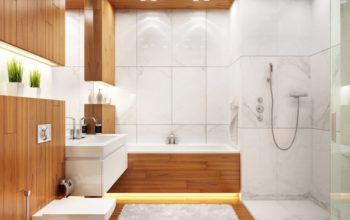
Modern bathroom tile trends in Maryland increasingly feature large-format porcelain tiles arranged in vertical layouts with minimal grout lines.
Common Tile Installation Mistakes to Avoid
Many tile failures occur due to improper installation techniques.
Skipping Waterproofing
Bathrooms and showers require proper moisture protection.
Uneven Surface Preparation
Unlevel surfaces often cause cracked tiles and grout failure.
Using Incorrect Adhesive
Different tile materials require different adhesive systems.
Poor Tile Spacing
Inconsistent spacing creates uneven grout lines and weak visual flow.
Ignoring Expansion Movement
Tiles expand and contract with changes in temperature and humidity.
Many homeowners researching tile damage repair in Delmarva discover that improper installation is the leading cause of long-term tile failures.

Should You DIY Tile Installation or Hire a Professional?
DIY tile installation may seem cost-effective initially, but mistakes often create expensive repairs later.
Benefits of Hiring Professional Tile Installers
Professional installers provide:
- Accurate tile layout planning
- Proper waterproofing
- Precise tile cutting
- Long-term durability
- Faster project completion
- Cleaner finished appearance
Professional installation also reduces the risk of moisture damage behind bathroom walls and floors.
How Hard Is It to Install Tile as a Beginner?
Basic backsplash projects may be manageable for beginners, but bathroom and shower backsplashes are more complex.
Challenges beginners often face:
- Uneven tile spacing
- Poor waterproofing
- Incorrect adhesive mixing
- Bad tile cuts
- Improper grout application
Shower installations require advanced waterproofing knowledge to prevent long-term water damage.
Can I Learn to Lay Tile Without Prior Experience?
Yes, many homeowners learn basic tiling skills through small projects. However, complex bathroom installations require experience and specialized tools.
Small beginner-friendly projects include:
- Kitchen backsplashes
- Laundry room walls
- Fireplace surrounds
Large showers and bathroom floors typically benefit from professional installation due to moisture exposure and waterproofing requirements.
Why Professional Tile Installation Adds Long-Term Value
Professionally installed tile improves both functionality and property value.
Long-term advantages include:
- Better moisture protection
- Lower maintenance costs
- Improved resale appeal
- Enhanced bathroom durability
- Longer tile lifespan
Many homeowners planning bathroom flooring upgrades in Maryland prioritize professional installation to protect their investment.
Conclusion
This guide to tile installation shows how proper planning, material selection, waterproofing, and installation techniques directly affect long-term performance. Whether you are upgrading a shower, remodeling a bathroom, or installing kitchen tile, quality workmanship is essential for lasting durability and visual appeal.
From choosing porcelain tiles to ensuring waterproofing is effective, every step matters during a tile remodeling project. Professional installation helps homeowners avoid expensive mistakes while achieving cleaner finishes and stronger long-term performance.
At Tile Mechanics Corp, we specialize in professional tile installation, bathroom remodeling, waterproof shower systems, and custom tile designs throughout Maryland and Delaware. Our experienced team delivers high-quality craftsmanship designed for beauty, durability, and long-term value.
Contact us today to schedule your consultation and start planning your next tile installation project.
FAQs
What is the best tile material for bathrooms?
Porcelain tile is one of the best bathroom materials because it resists moisture and daily wear. It works well for floors and showers. Many Maryland homeowners choose porcelain for modern bathroom remodeling projects. It also requires very little maintenance over time.
How long does tile installation usually take?
Most bathroom tile projects take several days, depending on room size and layout complexity. Waterproofing requires additional drying time. Larger shower remodels may take longer because of custom tile patterns. Professional planning helps avoid unnecessary delays.
Should I DIY my tile installation or hire a professional?
DIY tile installation works for small projects with simple layouts. Bathrooms and showers require proper waterproofing knowledge. Professional installers help prevent cracked grout and moisture damage. Hiring experts often saves money on future repairs.
How hard is it to install tile as a beginner?
Tile installation can be difficult for beginners without proper tools and planning. Uneven spacing and poor cuts are common mistakes. Shower floors and waterproof systems require advanced experience. Small backsplash projects are usually easier for first-time installers.
Can I learn to lay tile without prior experience?
Yes, many homeowners learn basic tiling through small home improvement projects. Simple wall applications are easier to practice on. Large bathrooms and showers are more complex because of waterproofing requirements. Professional guidance improves long-term installation quality.
What is the best tile type for shower floors?
Small porcelain mosaic tiles work well for shower floors because they improve slip resistance. They also handle moisture effectively. Many Maryland shower remodels use textured porcelain for better safety. Proper grout sealing helps extend tile lifespan.
How do I choose the right grout color?
Light grout creates a seamless appearance while dark grout highlights tile patterns. Gray grout remains a popular balanced option. Bathroom tile trends often use contrasting grout for visual interest. Epoxy grout improves moisture resistance in showers.
What causes tile grout to crack?
Poor surface preparation and movement underneath tiles commonly cause grout cracking. Moisture problems can also damage grout over time. Early tile damage repair helps prevent larger bathroom issues. Professional installation reduces the risk of grout failure.
Are large-format tiles good for small bathrooms?
Yes, large-format tiles reduce grout lines and create a cleaner appearance. Many homeowners use them to make bathrooms feel larger. Modern bathroom remodeling trends often feature oversized porcelain tiles. Proper layout planning significantly improves visual flow.
Why is waterproofing important in tile installation?
Waterproofing prevents hidden moisture damage behind bathroom walls and floors. Without protection, mold and structural damage may develop. Proper waterproof shower systems extend bathroom durability and performance. Professional installers use moisture barriers designed for wet environments.